Real Estate Development & Construction
Real Estate Development & Construction services encompass the entire process of creating new properties, from conceptual planning to the final build. These services involve careful coordination of design, compliance, financing, and construction to ensure that a project meets market demands and client goals. Here's a detailed explanation in three key points:
1. Project Planning & Feasibility Studies
Site Selection & Acquisition: The development process begins with identifying and acquiring suitable land. Real estate developers assess various factors such as location, zoning regulations, proximity to infrastructure, and market demand to choose the ideal site. This also involves conducting due diligence to ensure the land is free of legal and environmental issues.
Feasibility Studies & Market Research: Developers carry out feasibility studies to evaluate the viability of the project. This includes analyzing market trends, potential return on investment (ROI), construction costs, and expected demand for the property. By understanding the local market and competitive landscape, developers ensure the project is financially sound and aligned with market needs.
Conceptual Design & Budgeting: Once the feasibility study is complete, developers work with architects, planners, and financial experts to create initial design concepts. They also prepare detailed budgets, considering land acquisition, construction materials, labor, and project timelines. This stage ensures that the project has a clear vision and realistic financial framework before moving forward.
2. Design & Regulatory Compliance
Architectural Design & Engineering: After the conceptual phase, the development team collaborates with architects and engineers to create detailed blueprints and specifications for the project. This includes structural designs, interior layouts, electrical and plumbing plans, and landscape designs. The goal is to create a functional and aesthetically pleasing structure that meets both client requirements and regulatory standards.
Zoning & Permitting: Every real estate development project must comply with local zoning laws and building codes. Developers work closely with government agencies to obtain the necessary permits and approvals. This process involves ensuring the project aligns with zoning regulations, environmental impact requirements, and safety standards. Developers may also engage in public consultations to address community concerns.
Sustainability & Green Building Practices: Increasingly, real estate development emphasizes eco-friendly and sustainable practices. Developers integrate energy-efficient systems, renewable materials, and sustainable building techniques into their projects to meet environmental standards and reduce the property’s long-term operating costs. This also helps improve the marketability and appeal of the project to environmentally-conscious buyers or tenants.
3. Construction Management & Project Delivery
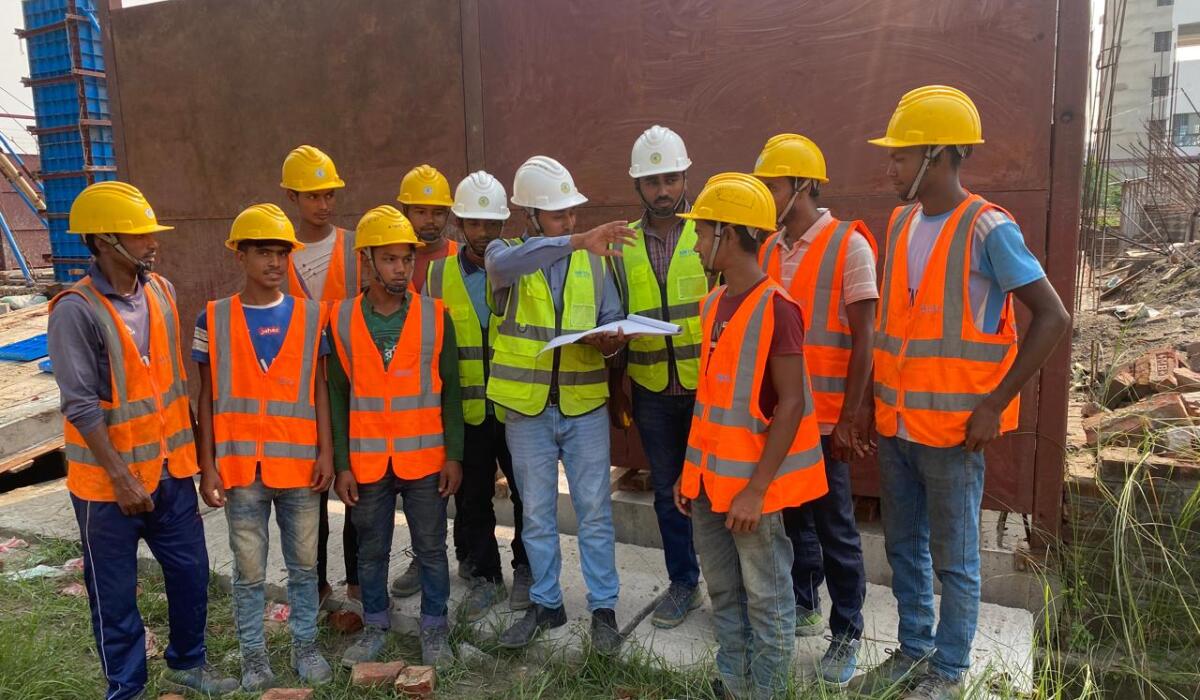
Construction Oversight: Once all plans and permits are in place, the actual construction begins. Real estate developers work with contractors, subcontractors, and construction managers to oversee the building process. This includes coordinating labor, managing material procurement, and ensuring the project stays on schedule and within budget. Regular inspections and quality control checks are performed to maintain high construction standards and avoid costly errors.
Timeline & Cost Management: Throughout the construction phase, developers closely monitor progress and financials. They manage cash flow, track expenses, and address any unforeseen challenges that arise, such as weather delays or material shortages. The aim is to keep the project on track and minimize any disruptions to the timeline or budget.
Final Inspection & Handover: After construction is complete, developers perform final inspections to ensure the property meets all regulatory requirements and quality standards. Any remaining defects are addressed before the project is officially handed over to the client, investor, or property management team. The developer may also assist in marketing or leasing the property if needed.
Key Benefits of Real Estate Development & Construction Services:
Comprehensive Oversight: From planning to completion, developers manage every aspect of the project, ensuring it runs smoothly and meets expectations.
Regulatory Expertise: Developers navigate complex zoning laws and building regulations, ensuring that projects comply with legal requirements and avoid costly delays.
Market-Driven Projects: By conducting thorough market research and feasibility studies, developers create projects that are aligned with demand, ensuring profitability and long-term success.
In summary, Real Estate Development & Construction services turn raw land or underutilized property into valuable assets through careful planning, design, and construction management, while adhering to legal, financial, and market requirements.